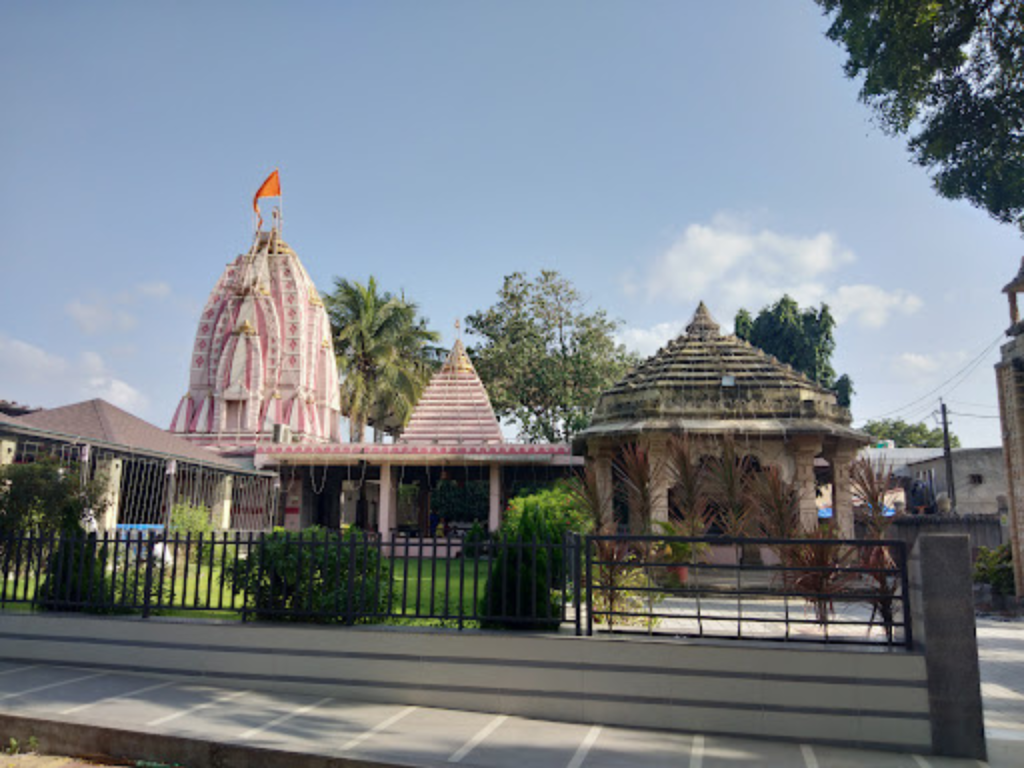
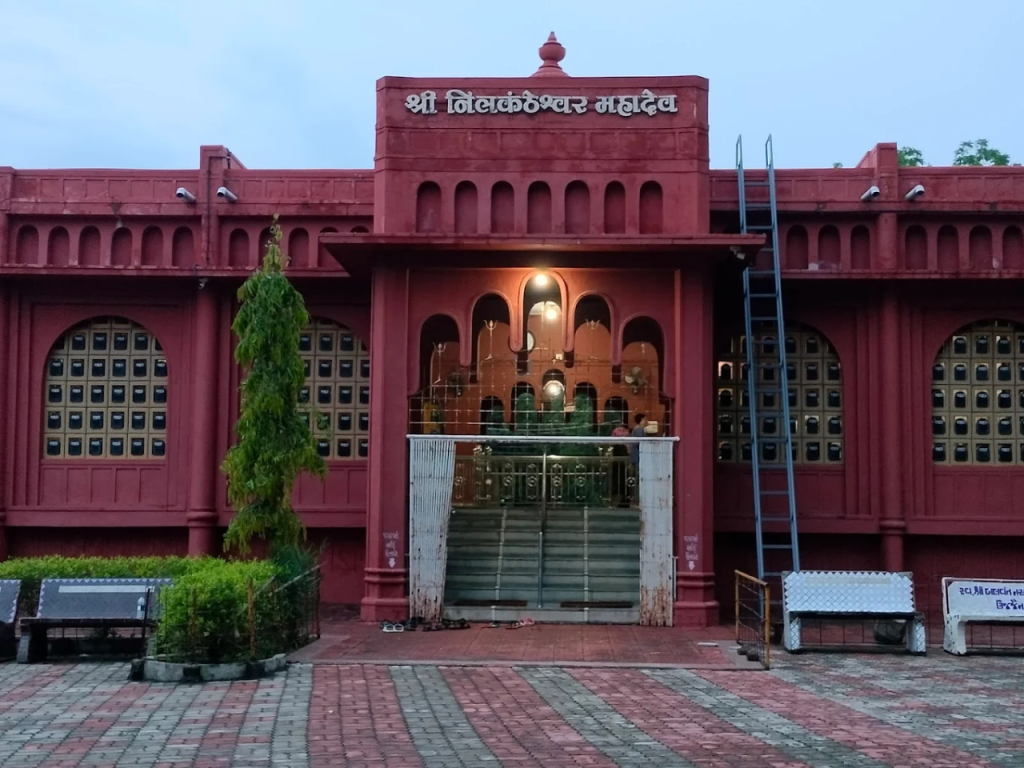
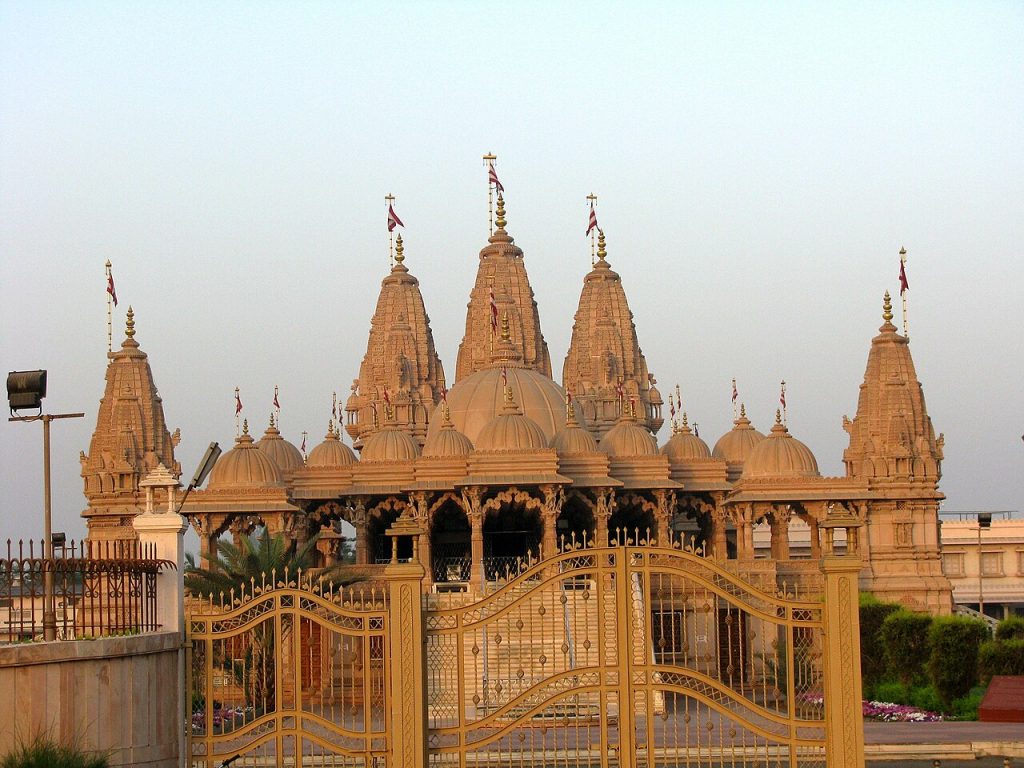
Shree Nilkantheshwar Mahadev across India. The name “Nilkantheshwar” (or Neelkanth) refers to Lord Shiva as the “Blue-Throated One,” a title he received after consuming the Halahala poison during the churning of the ocean (Samudra Manthan) to save the universe. Depending on which specific location you are interested in, here is the information for the most prominent ones: 1. Nilkantheshwar Mahadev Mandir, Bharuch (Gujarat) Located on the banks of the sacred Narmada River, this is one of the most visited temples in the region. 2. Neelkanth Mahadev Temple, Rishikesh (Uttarakhand) Situated at an altitude of 1,330 meters in the Pauri Garhwal district, this is perhaps the most famous “Neelkanth” temple globally. 3. Nilkantheshwar Temple, Pune (Maharashtra) Located on a hillock near the Panshet and Khadakwasla dams (approx. 40 km from Pune). 4. Nilkantheshwar Temple, Udaipur (Madhya Pradesh) Located in Vidisha district, this is a Monument of National Importance protected by the Archaeological Survey of India (ASI). Core Legend (The Full Story) The name Nilkantheshwar comes from the following Sanskrit verse/story: During the Samudra Manthan (Churning of the Ocean) by the Gods and Demons, a lethal poison called Halahala emerged. It was so potent it threatened to destroy all of creation. To protect the world, Lord Shiva drank the poison. However, Goddess Parvati placed her hand on his throat to stop the poison from descending further into his body. The poison stayed in his neck, turning it blue—hence the name Nilkanth (Nil = Blue, Kanth = Throat).